


How to Recycle at Home? A Simple Getting Started Guide
How to recycle at home? A step-by-step guide, from simple to complex, starting with separating wet and dry waste.
Recycling can sound complicated. Six different colored bins, countless rules, and confusing lists about what goes where. That is why most people either never start or give up after a few weeks.
However, recycling at home starts with one simple distinction: wet and dry. The rest can be added over time. In this article, we will start with the simplest step and progress gradually. You do not have to do everything in one day. Build the foundation first, then build upon it.
Step 1: Separate wet and dry waste
This is the most important rule of recycling. Even if you do nothing else, do this.
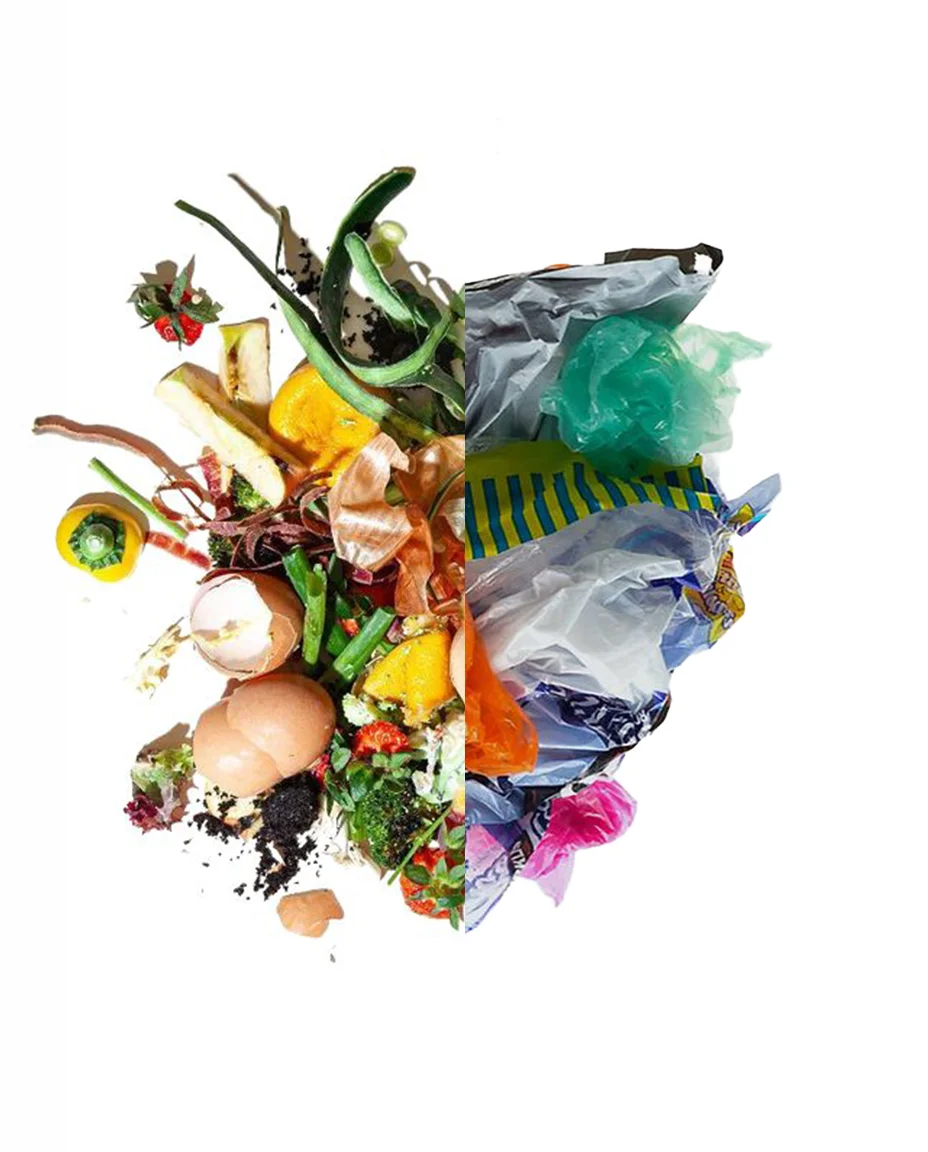
Wet waste is everything organic. Food scraps, vegetable and fruit peels, tea leaves and coffee grounds, eggshells. These decompose, create odors, and are moist.
Dry waste is everything that can be recycled. Paper, plastic, glass, metal. As long as these remain clean and dry, they can be reprocessed.
Why is this distinction so important? Because when wet waste mixes with dry waste, it ruins everything. When coffee grounds spill onto a paper box, that paper can no longer be recycled. When greasy food residue gets on plastic packaging, that plastic ends up in the trash.
So the rule is simple: organic waste must be kept separate, and recyclable waste must not be contaminated. Start with two bins. One for wet, one for dry. That is all you need to do.
Step 2: Roughly sort your dry waste
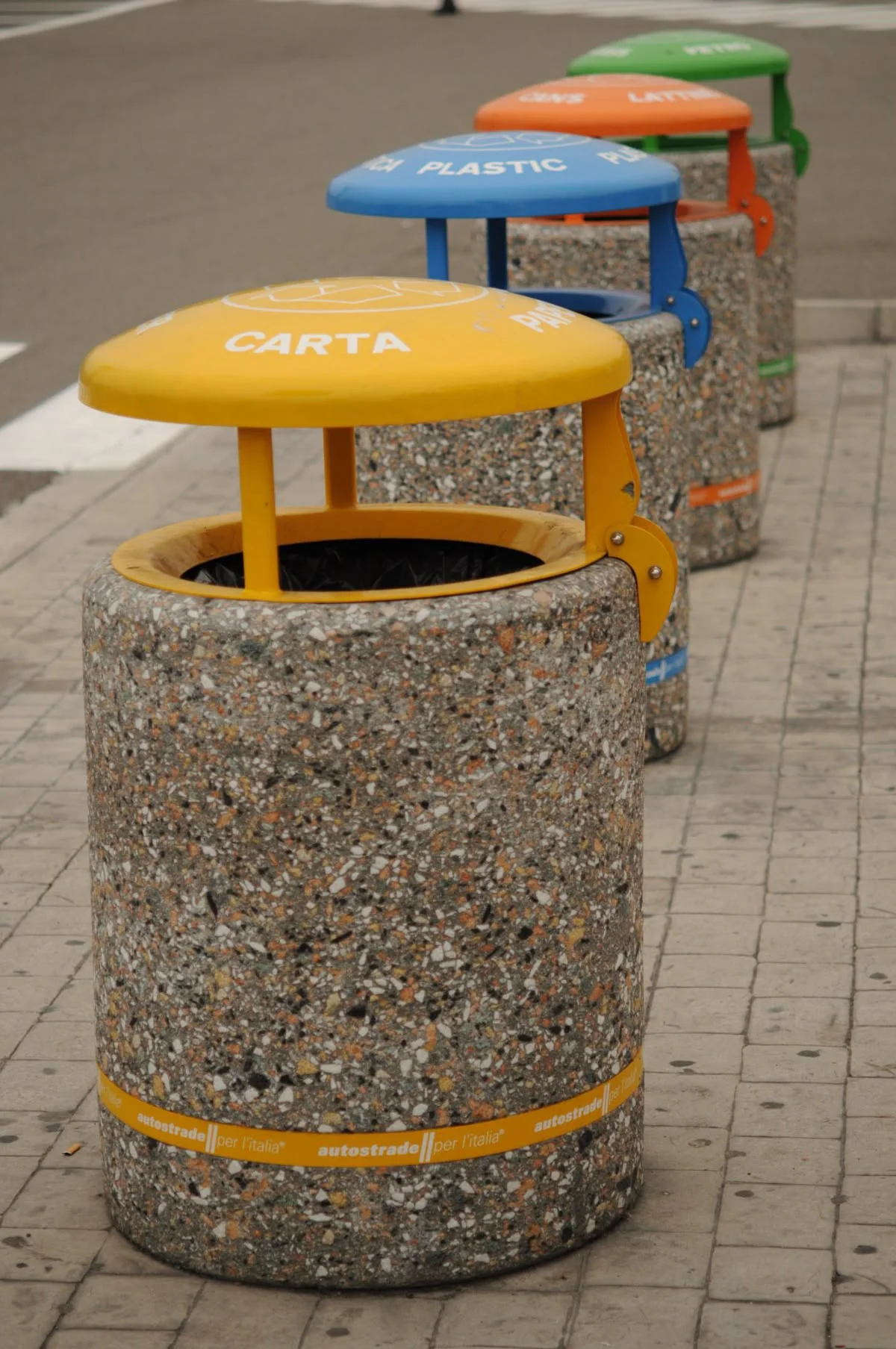
Once you have mastered the wet and dry separation, the next step is to sort the dry waste itself. This is where Turkey's Zero Waste color codes come into play.
- Blue — paper and cardboard
- Yellow — plastic
- Green — glass
- Grey — metal
- Brown — organic waste
- Black — non-recyclable waste
You don't need to set up six bins at home. Most apartment buildings have a blue and grey container system in their gardens. Even three separate bags at home are enough: paper, plastic-metal-glass together, and organic separate. Organize them according to the container system in your neighborhood.
What matters is not the number of bins, but that the separation is clean.
Step 3: Clean before recycling
This is the step most people skip, but it is the most critical part. Dirty packaging cannot be recycled.
If you throw a yogurt container into the yellow bin without washing it, the yogurt residue inside will contaminate the entire batch. The greasy part of a pizza box cannot be recycled; only the clean part is useful.
Practical rules:
- Rinse and dry the packaging. It doesn't need to be spotless, but there should be no residue left.
- Separate the greasy base of the pizza box and throw it in the trash; put the clean lid in the recycling.
- Separate the lids of glass jars. Glass goes to green, the metal lid goes to grey.
- Do not keep the caps on plastic bottles; dispose of them separately.
A few seconds of rinsing determines whether a piece of packaging will actually be recycled or not.
Step 4: Learn about tricky waste
Once you have the basic system in place, it is time to tackle the confusing items. You do not need to worry about these at the very beginning, but learning them completes the system.
Batteries and electronics. Never throw these in the regular trash. You can find battery collection bins at supermarkets and municipal drop-off points. Use e-waste collection points for old phones, chargers, and small electronics.
Medication. Expired medication should not go in the trash or down the drain. Pharmacies collect expired drugs.
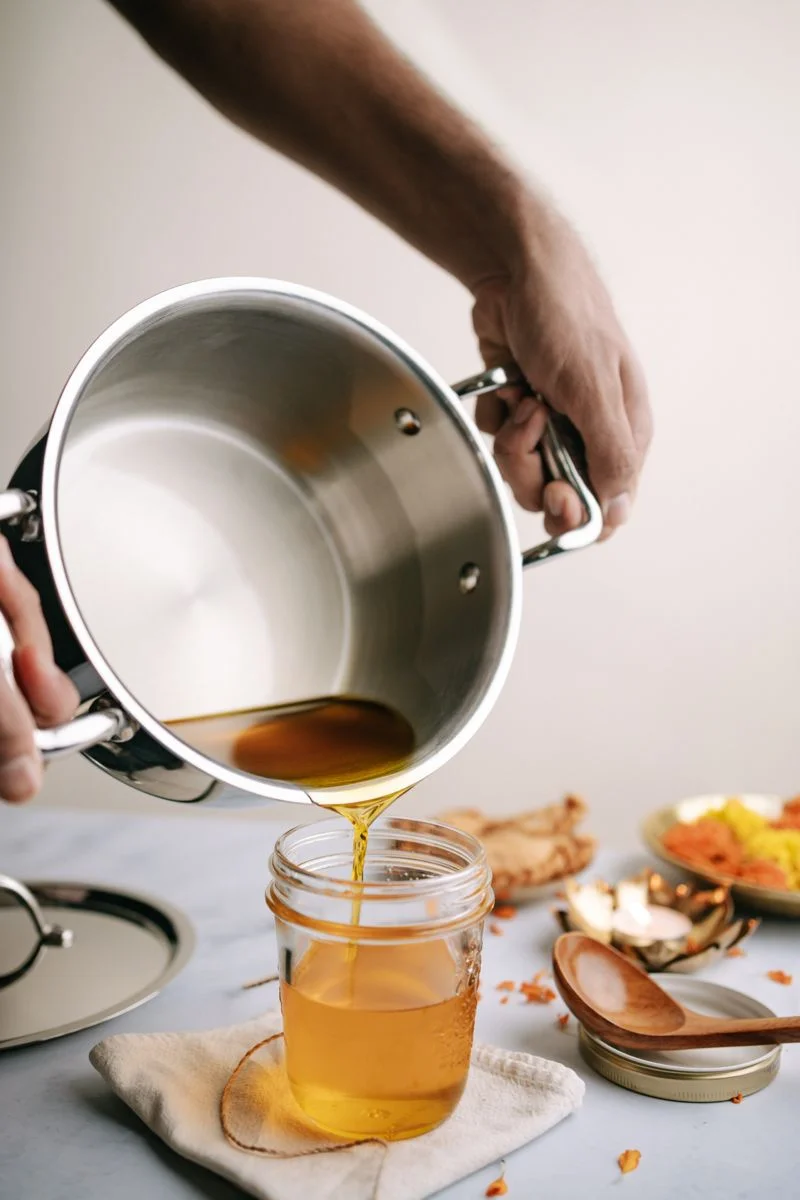
Cooking oil. Do not pour cooking oil down the sink; it clogs pipes and pollutes the water. Collect it in a bottle and take it to a waste oil collection point.
Composite packaging. Juice and milk cartons are made of layers of paper, plastic, and aluminum. These are processed separately and usually go in the yellow or blue bin. Check your local municipality's guidelines.
Step 5: Reduce waste at the source
The most advanced step is not recycling, but producing less waste in the first place. Recycling is good, but producing no waste at all is better.
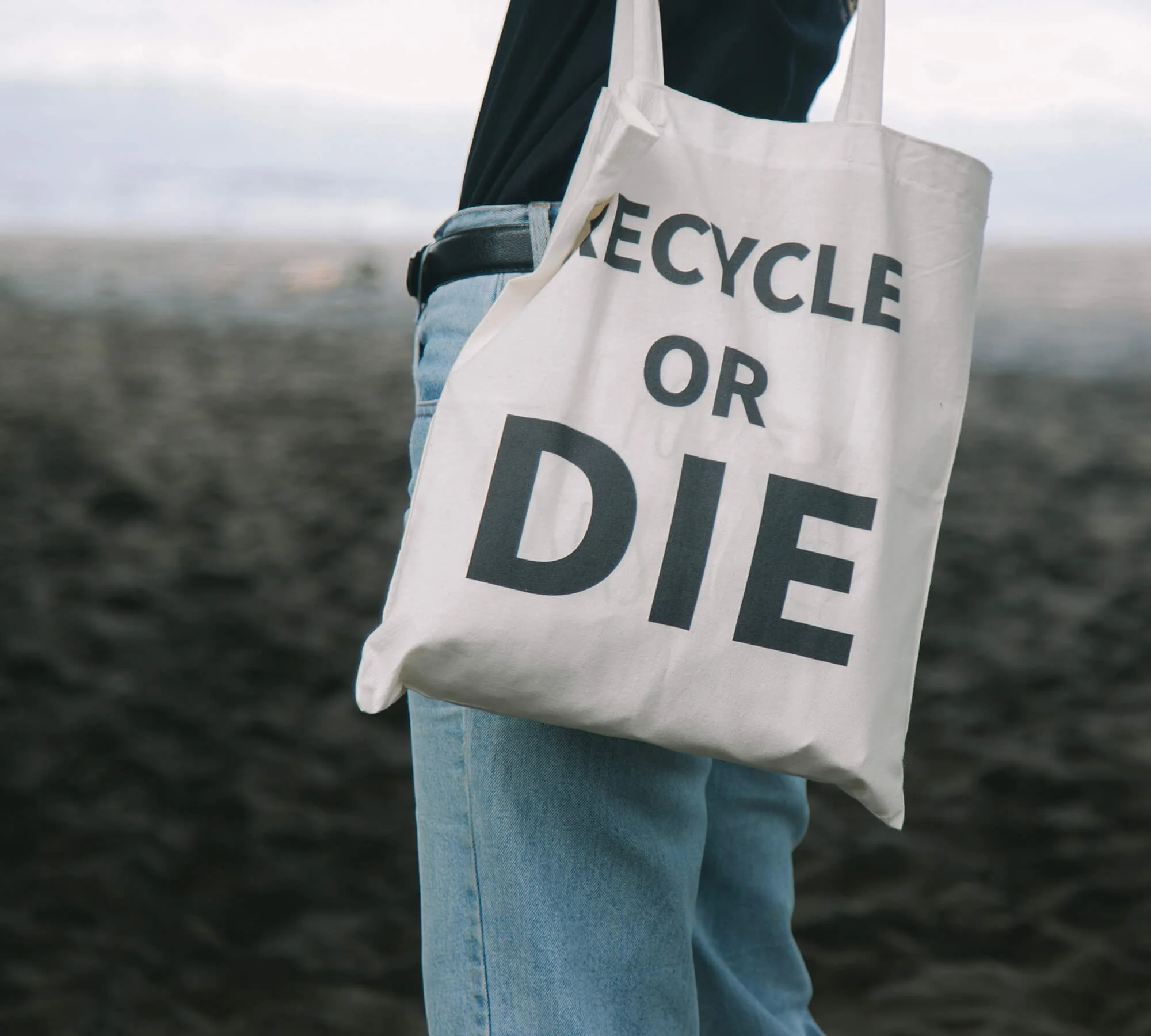
- Choose reusable items instead of single-use ones. Use cloth bags, glass bottles, and refillable containers.
- Compost your organic waste. Even a small compost bin on your balcony can turn your kitchen scraps into soil.
- Buy long-lasting products. Choose items that can be used for years and repaired, rather than those that wear out quickly and get thrown away.
This last point is actually the starting point for Studio Blai. The longer a product lasts, the more repairable it is, and the more it can be repurposed at the end of its life, the less waste it produces. That is exactly why the Blai Panel exists: it is made from recycled plastic, consists of a single material, and is taken back to be turned into new panels once it reaches the end of its life.

Frequently Asked Questions
Where should I start with recycling at home?
Start with the simplest step: separate your wet and dry waste. Two bins are enough. Keep organic waste separate and make sure your recyclables are clean and dry. You can add the rest over time.
Can dirty packaging be recycled?
No. Food scraps or grease-stained packaging cannot be recycled, and they also contaminate clean waste. Rinse and dry your packaging before putting it in the recycling bin.
What are the recycling color codes in Turkey?
Blue is for paper and cardboard, yellow for plastic, green for glass, gray for metal, brown for organic waste, and black for non-recyclable waste. You don't need to set up all of these at home; organize your system according to the containers available in your neighborhood.
Where should batteries and expired medication be disposed of?
Batteries should not be thrown in the regular trash; they should be placed in battery collection bins found at markets and municipal locations. Expired medications should be taken to the waste medication bins at pharmacies.

See the material in your hands.
Try Blai Panel colours and textures on your desk with the sample kit, or fill in the quote form for your project.


