


Furniture Recycling Companies and the Studio Blai Buy-Back Program
How do furniture recycling companies work? Studio Blai’s buy-back program offers a certified solution for corporate ESG reporting.

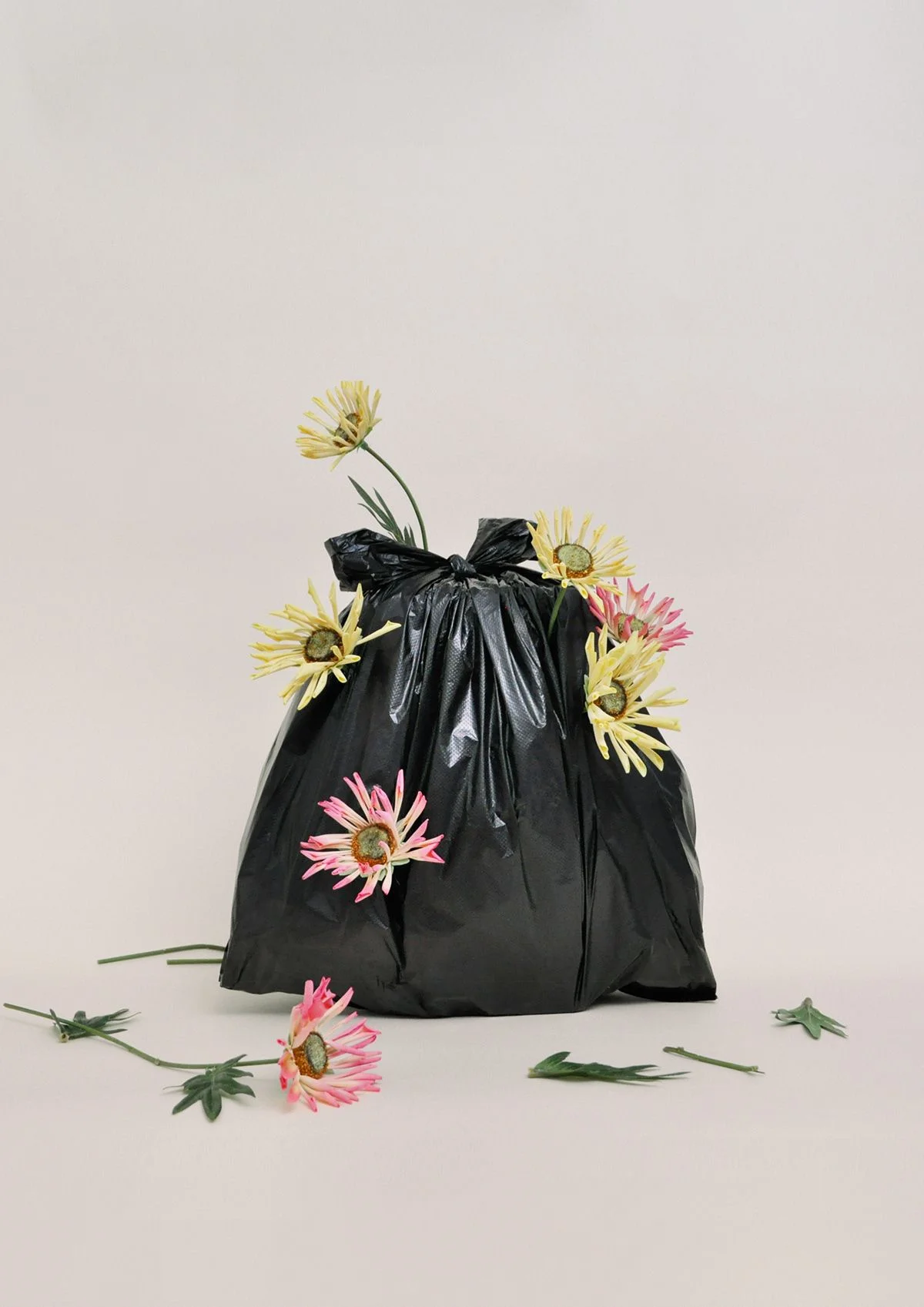
An office moves, a restaurant renovates, a hotel replaces its furniture. Overnight, old furniture turns into a problematic pile. Most of it goes to scrap, some is incinerated, and some is simply thrown in the trash. In Turkey, furniture waste has become one of the largest categories of non-residential waste.
In this article, we will share how furniture recycling companies work, why they are important for corporate ESG reporting, and how the buy-back program offered by Studio Blai operates.
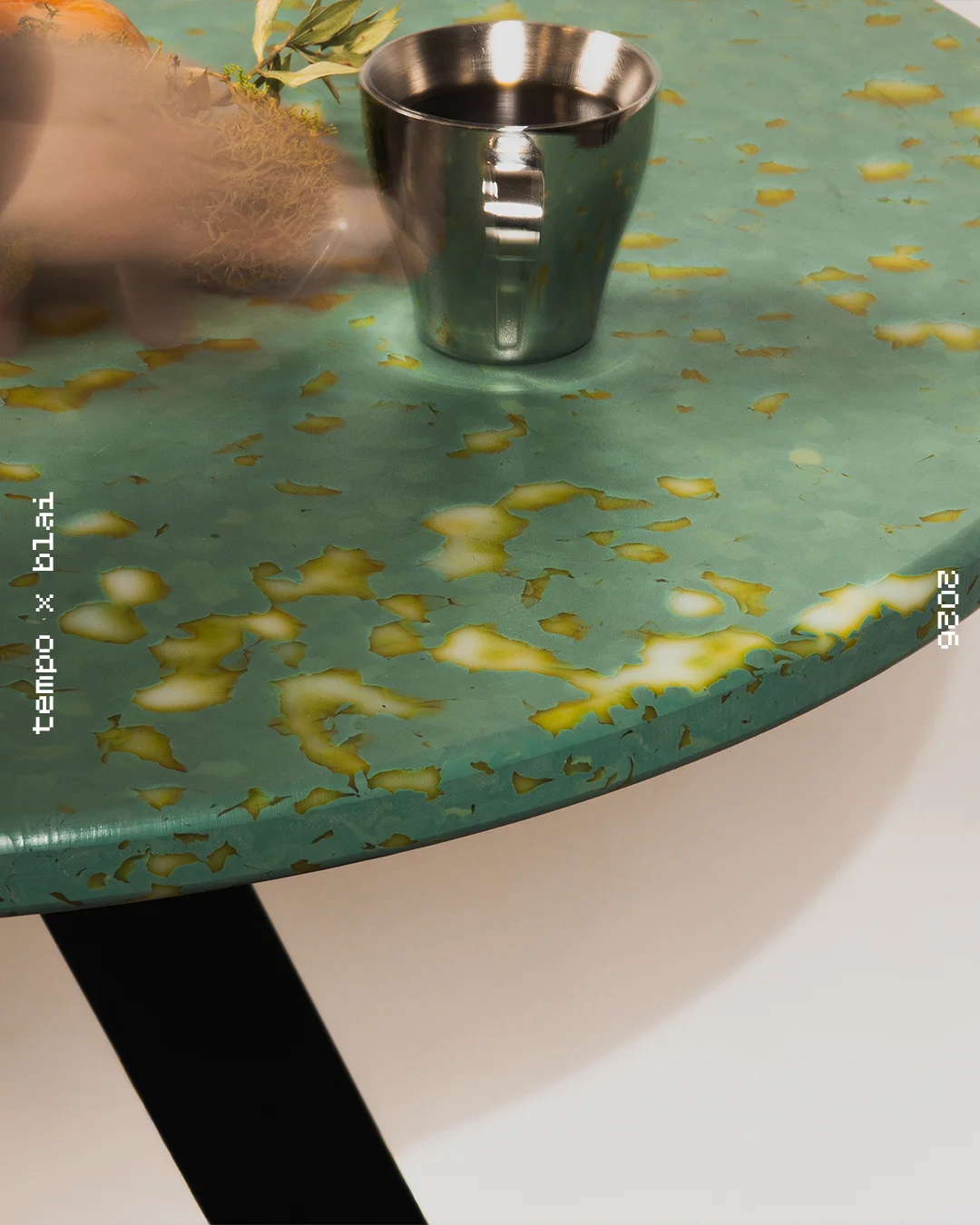
The furniture waste problem in Turkey
Furniture waste is an invisible problem. There is data, campaigns, and legislation regarding plastic packaging, food waste, and electronic waste. However, when it comes to furniture, there is virtually no system in place.
The scale of the problem is this: an average office replaces all its furniture every ten years. A restaurant every three to five years. The hotel sector every five to seven years. The vast majority of furniture waste generated in this cycle cannot be recycled because furniture has a multi-material structure. MDF, paint, lacquer, glue, metal screws, fabric, foam; when combined, recycling them is practically impossible.
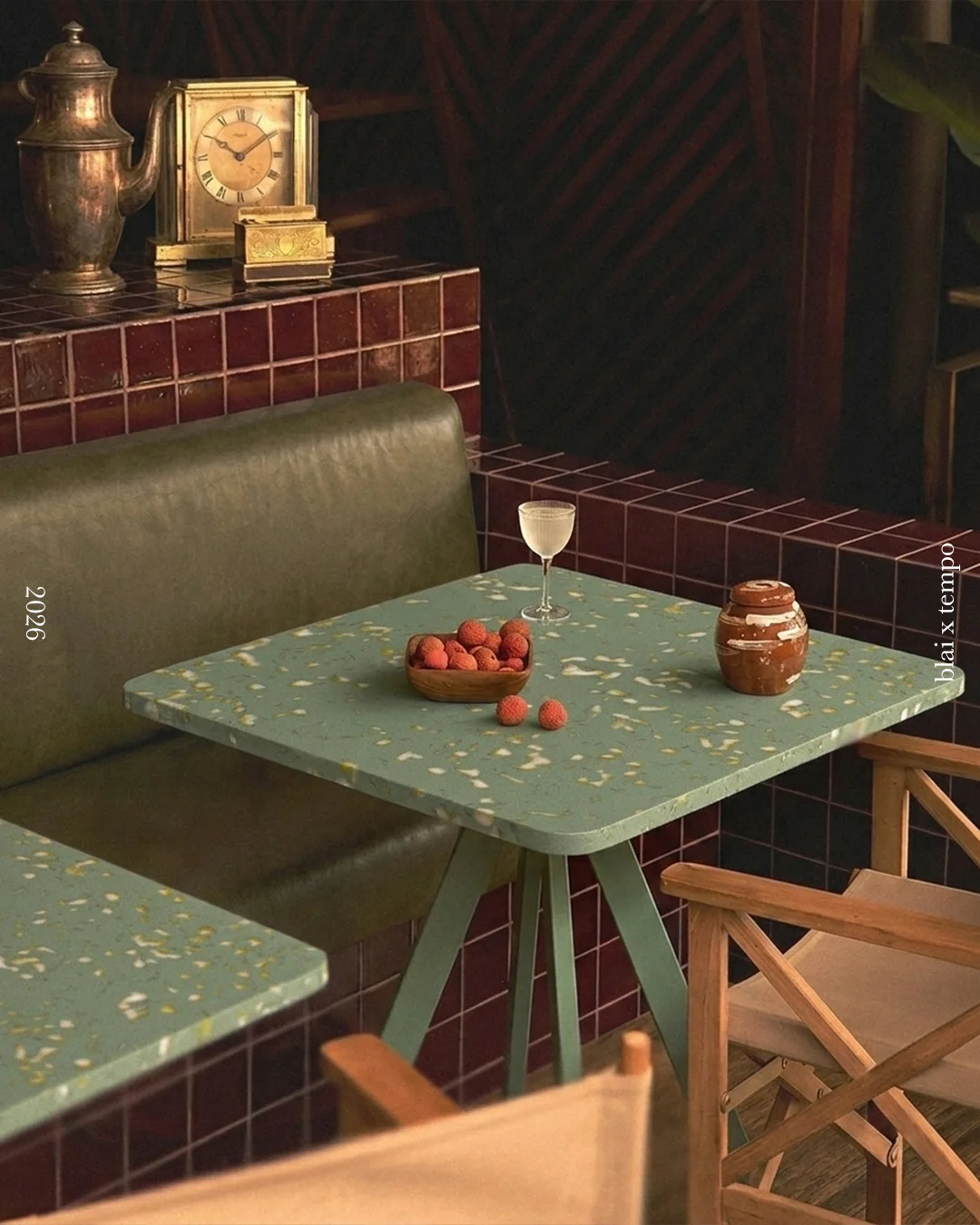
How do furniture recycling companies work
Furniture recycling in Turkey operates under three different models.
Scrap separation. Scrap companies dismantle the furniture and separate the metal parts, while the rest mostly goes to the trash. The recycling rate is low.
Second-hand sales. Some companies clean and resell furniture that is in usable condition. It is a sustainable model, but the product must be in usable condition.
Manufacturer buy-back. The most efficient model. The manufacturer takes back its own product and converts it into raw material. The number of manufacturers applying this model in Turkey is very low.
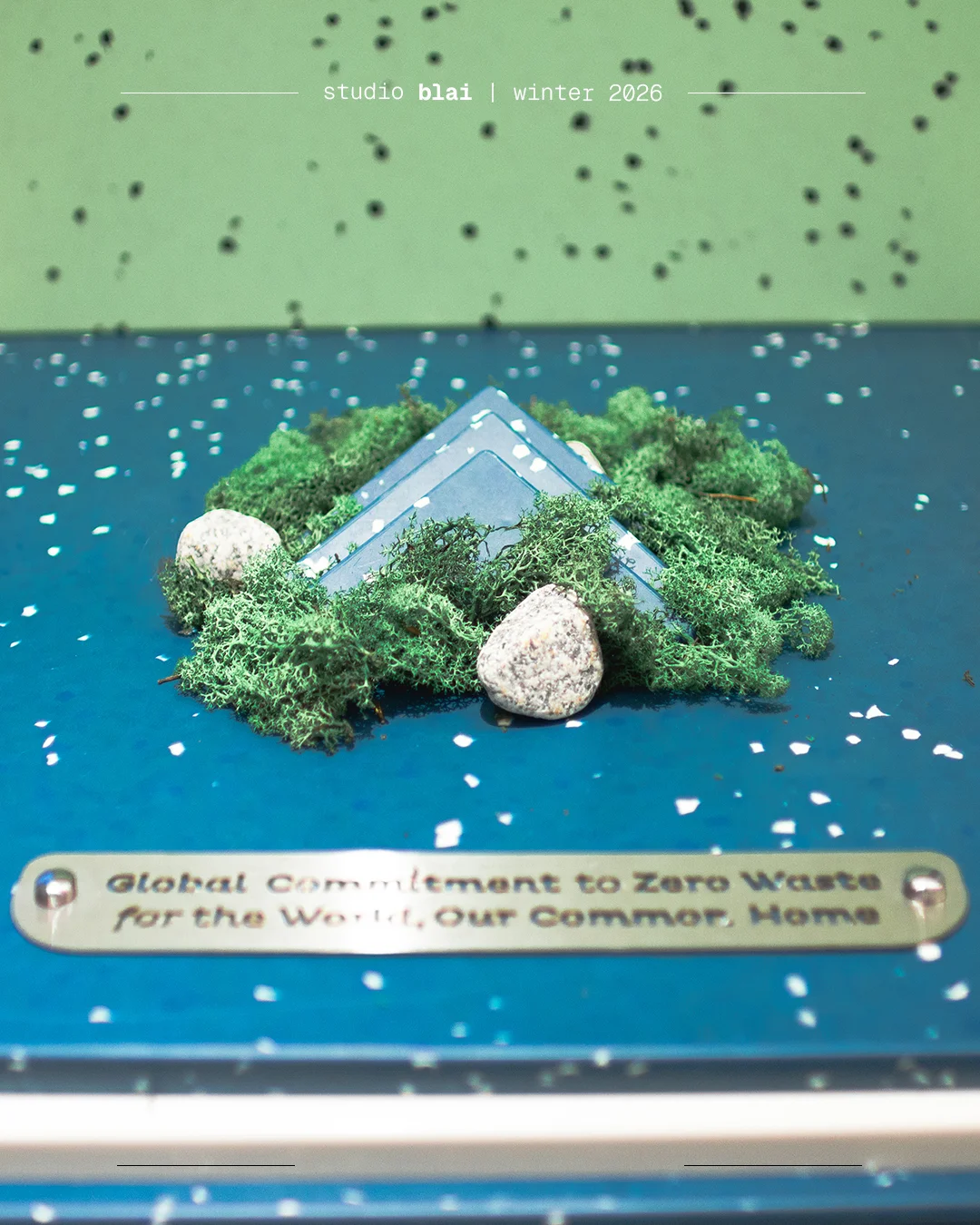
Studio Blai implements the manufacturer buy-back model. When Blai products reach the end of their life, they return to the studio, are melted down, and repurposed as new panels. The loop is closed.
Studio Blai buy-back program
The buy-back program works as follows.
Collection. Contact the studio when it is time to replace office, cafe, restaurant, or hotel furniture. Collection logistics are then planned.
Separation. Blai Panel furniture is made from a single material and produced without glue or welding, making the separation process simple.
Reprocessing. The collected panels are ground down at the studio, melted, pressed into new panels, and cooled. The technical specifications of the new panel are identical to the old one.
Documentation. The amount collected and the number of panels reprocessed are reported to the corporate client. This report can be used for ESG reporting.
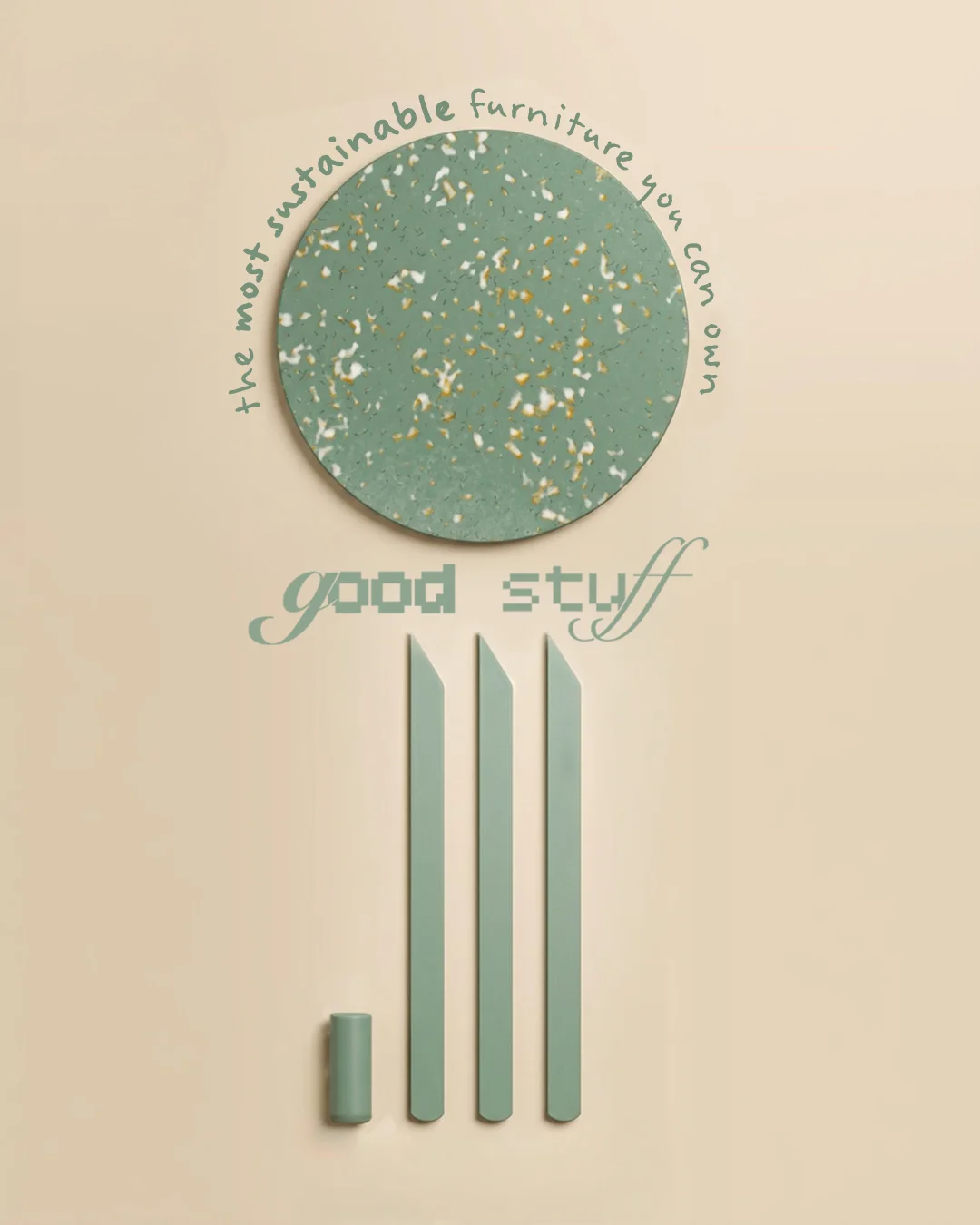
Why it matters for corporate ESG
The CSRD (Corporate Sustainability Reporting Directive) has come into effect in Europe. In Turkey, large companies under the scope of the Capital Markets Board (SPK) are entering into similar reporting obligations. These reports include metrics on waste, contributions to the circular economy, and supplier sustainability.
Working with a furniture buy-back program provides the following benefits.
Measurable waste reduction. Collected furniture does not go to waste, which directly improves waste metrics.
Contribution to the circular economy. Manufacturer buy-back is a core practice of the circular economy definition. It can be documented as a concrete item in ESG reporting.
Carbon footprint reduction. Every reprocessed panel provides significant energy savings compared to a panel produced from virgin raw materials. Per panel, this saves 370 kWh of energy and 26.5 kg of CO₂.
Brand communication. Adds concrete, measurable data to the organization's sustainability narrative.
To get started
You can contact us directly for our corporate buy-back program or new furniture purchases. Planning is tailored to the scale of the project.
Let's transform together.
Frequently Asked Questions
Is the buy-back program free?
Collection logistics are planned based on the project scale. For large-volume buy-backs, logistics costs can be covered, while for smaller-scale buy-backs, shipping may be the responsibility of the client. A clear budget is shared prior to the project.
Do you buy back furniture from other brands?
No. The buy-back program is designed for Blai products because their material structure is optimized for reprocessing. We can provide consultancy on sustainable disposal for furniture from other brands.
Can I receive documentation after the buy-back?
Yes. A report detailing the amount collected, the number of panels reprocessed, energy saved, and CO₂ emissions reduced is provided to corporate clients. This report can be used for ESG and sustainability reporting.
Which parts of the furniture can be recycled?
In Blai panel furniture, all panel components are 100% recyclable. If the furniture contains metal screws and fittings, these are separated and directed to the metal recycling process.

See the material in your hands.
Try Blai Panel colours and textures on your desk with the sample kit, or fill in the quote form for your project.


