


From Waste to Design: The Production Process of Blai Panel
Discover the innovative production process where Studio Blai transforms daily plastic waste into premium design panels and see the future of sustainable materials.
From Plastic Waste to Design Material: How is Blai Panel Produced?
The journey of discarded plastic caps turning into architectural panels is far more fascinating than most people imagine. At Studio Blai, every day of plastic waste through our innovative plastic recycling process, we witness how it transforms into premium design materials. This is not just a matter of environmental responsibility, it is a matter of reimagining what can be made from recycled materials.
1. Waste Collection
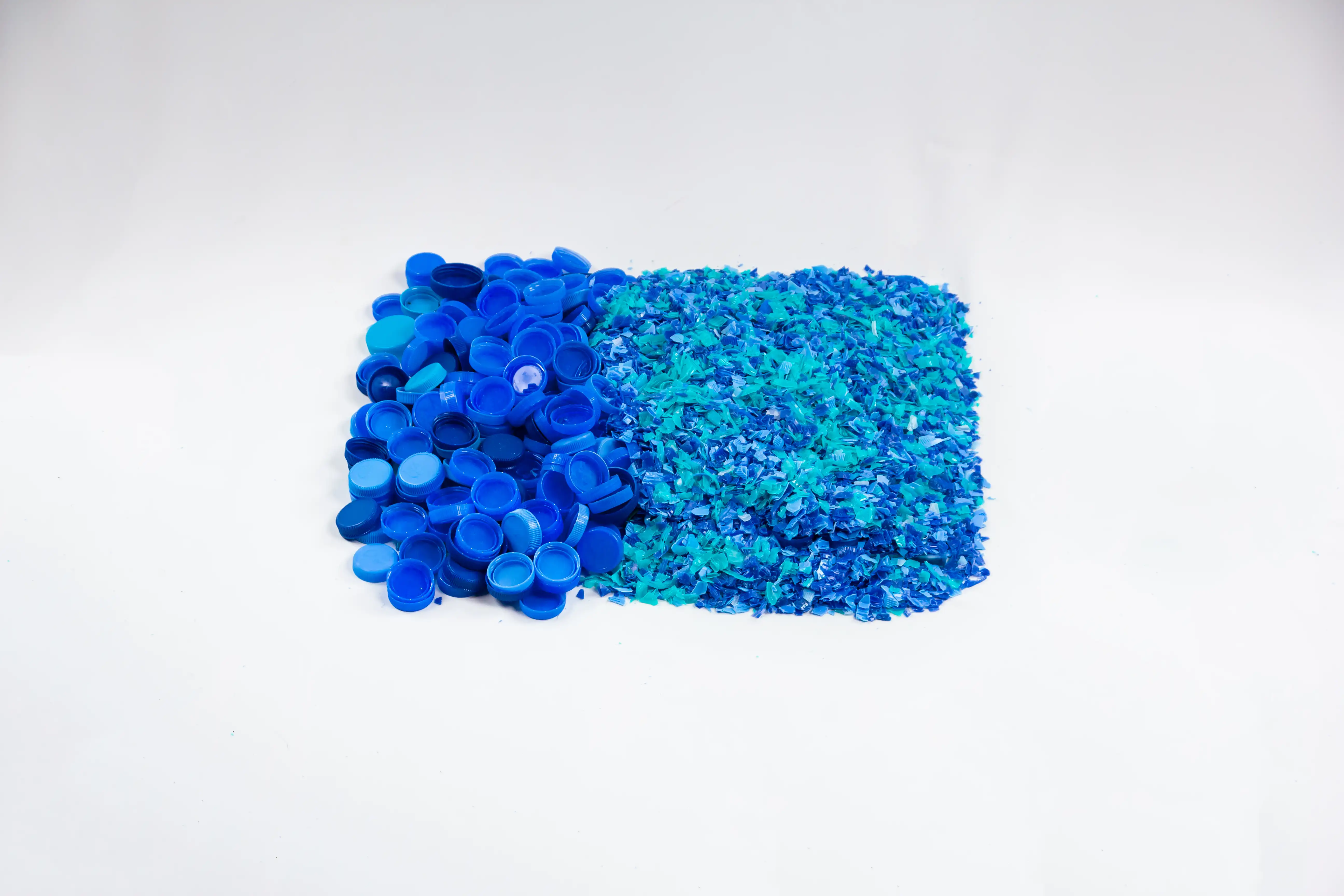
Every Blai Panel begins with carefully selected HDPE and LDPE plastic waste. Bottle caps, food containers, and packaging materials reach our suppliers at the start of the production chain not as waste, but as raw material. These materials, which were once destined for a landfill, carry the seeds of their next life within them.
The diversity of sources creates the richness of the material. Vibrant colors derived from HDPE waste like caps and containers combine with the distinct textures and properties of LDPE packaging materials to form our palette. An important note here: Studio Blai does not use PET plastic. Our field of work is HDPE and LDPE; the PET used in beverage bottles is not part of this process.

2. Sorting and Cleaning
Incoming materials are meticulously sorted and cleaned by color, type, and quality. This stage is much more critical than it seems: an incorrect mix of materials directly affects both the mechanical properties and the appearance of the final panel. While HDPE forms the basis of opaque panels, LDPE provides the main raw material for translucent panels.
The waste collection and sorting process is carried out by suppliers and recycling stakeholders at the beginning of the value chain. Studio Blai is not directly involved in this stage; instead, we take on a role in the final links of the process, namely panel production, product design, and our take-back program.
3. Shredding
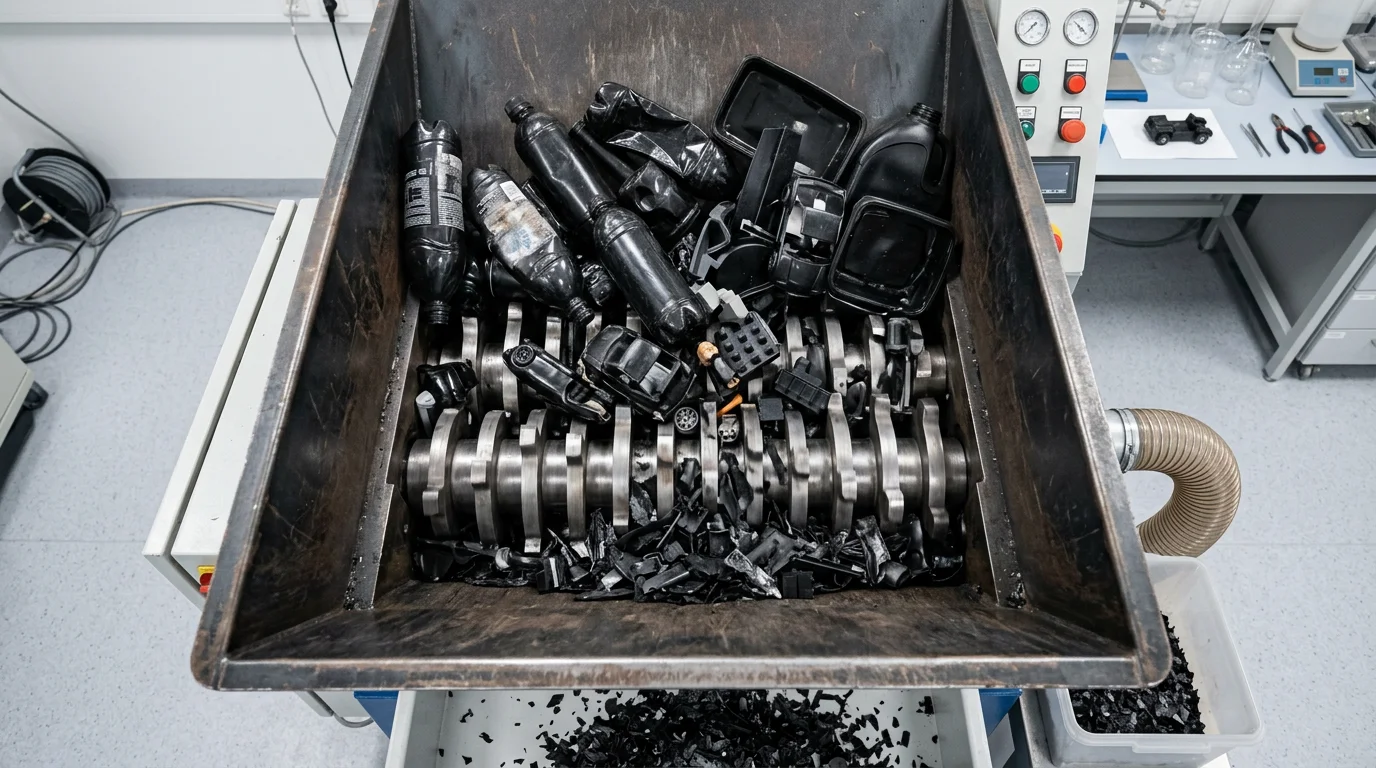
The sorted plastics are passed through an industrial shredder and turned into small flakes. This step is decisive for both subsequent stages and the quality of the final product: small, uniform flakes conduct heat more evenly, which ensures a more consistent surface quality in the panel.

4. Granule Production
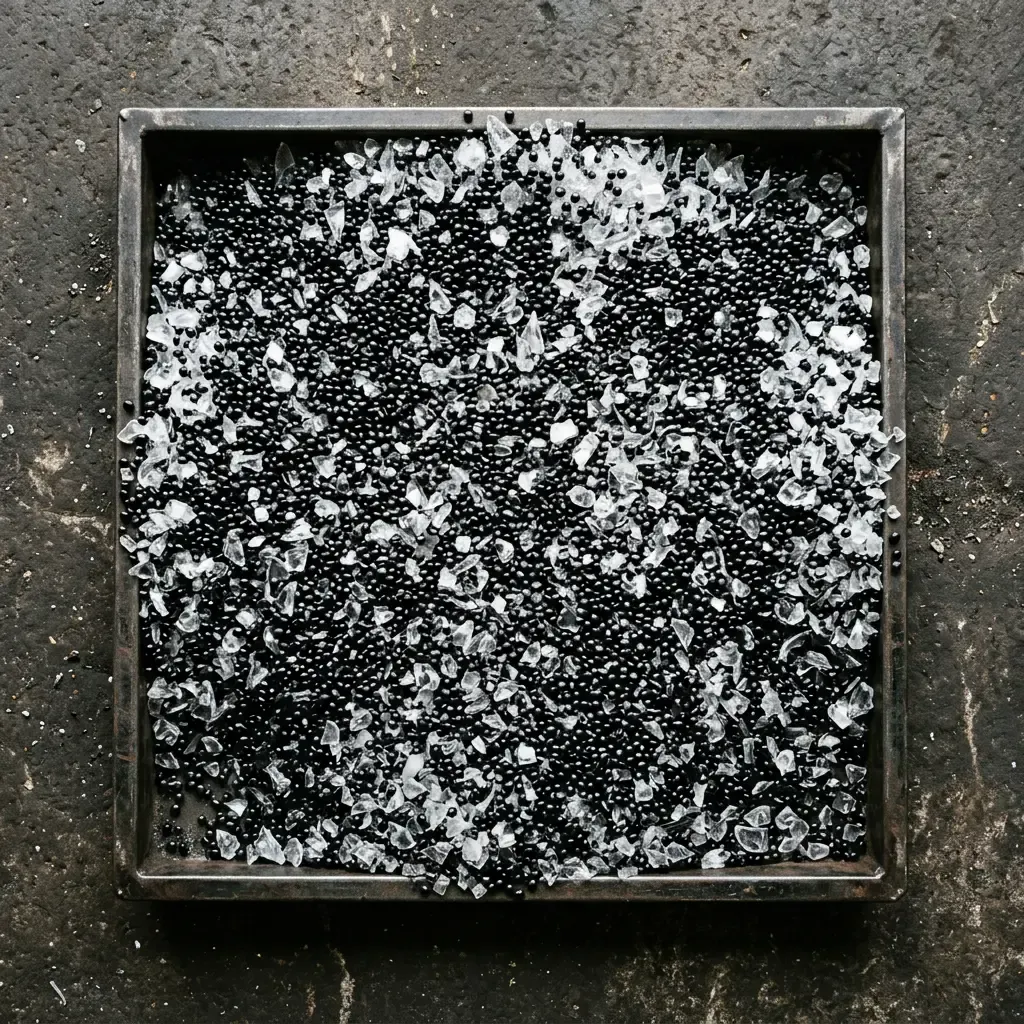
The shredded plastic is transformed into a homogeneous mixture through an extrusion process and converted into granules. Granule production is one of the most critical technical steps in the entire process, as it turns raw waste fragments into a material with consistent size and density.
The color composition is also shaped at this stage: the choice of which granules to combine determines the final character of the panel. From the clean, balanced surfaces in the Classics collection to the vibrant, multicolored blends in the Karma collection, every color option is directly dependent on the decisions made during this phase.
5. Panel Production
The granules are hand-mixed according to the desired color and pattern composition and carefully arranged on the machine's metal tray. This step is entirely manual and lays the foundation for the unique pattern of each panel. No two panels from the same color group are ever identical.
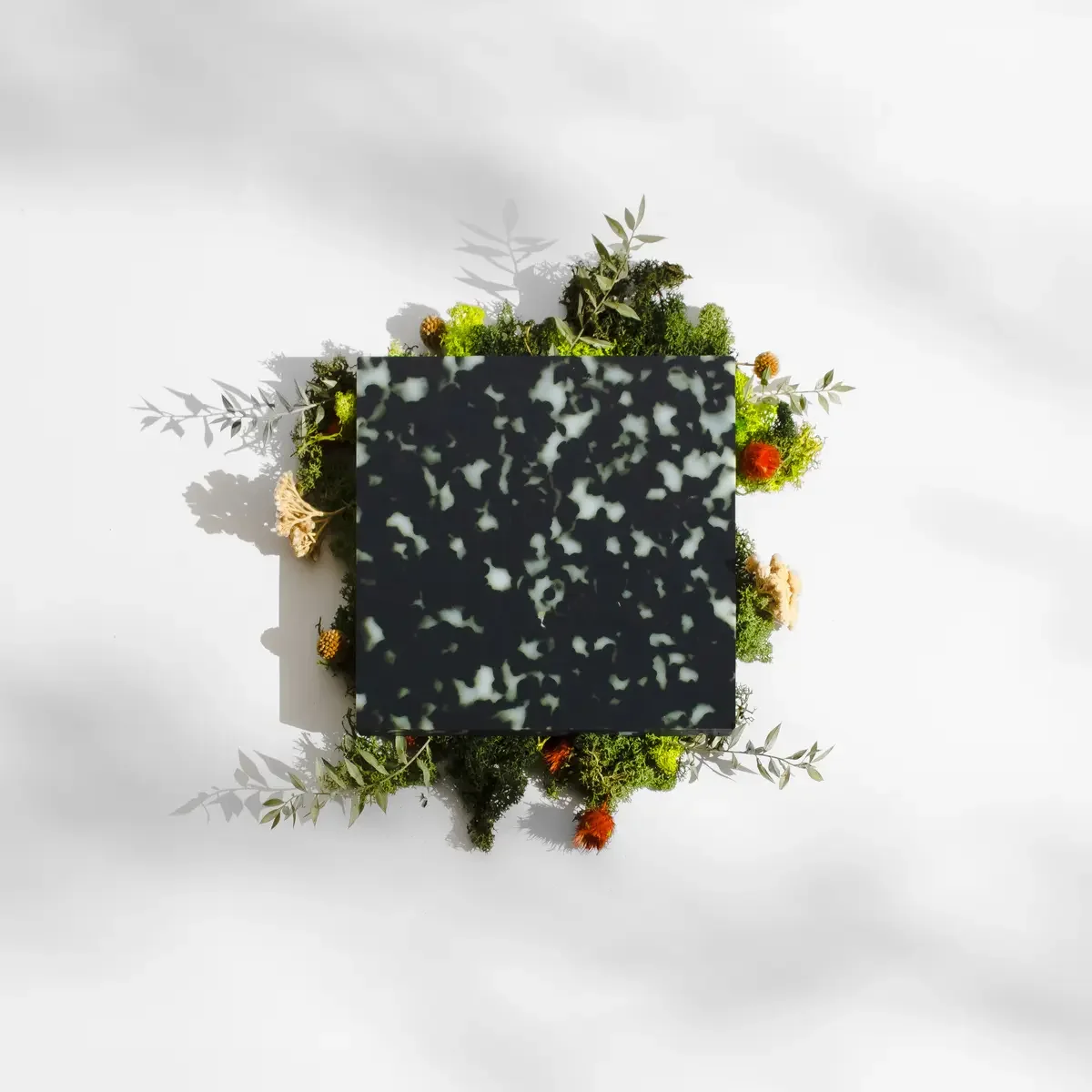
The filled tray is then placed into the hot press machine. During the pressing cycle, the granules fuse together to form a single, integrated sheet. No binders, adhesives, or surface coatings are used; the resulting material is 100% recycled plastic, and nothing else.
Once removed from the machine, the panel is cooled, its surface quality is inspected, and it is cut to its final dimensions. Each panel diverts approximately 20 kg of plastic waste from landfills, saves approximately 370 kWh of energy, and results in 26.5 kg less CO2 emissions compared to the production of virgin plastic.

6. Product Manufacturing
After this stage, Blai Panel follows two different paths.
Direct panel sales: Architects, interior designers, and designers purchase the panel as a raw material. Recycled plastic panels can be cut using standard woodworking equipment and CNC machines, making the panel an extremely flexible material. It can be used in many different applications such as countertops, wall cladding, decorative surfaces, and translucent partitions.
Furniture production: Studio Blai also transforms panels directly into products, as seen in the collection developed with Tempo. Shaped using CNC cutting or woodworking tools, the panels become benches, round tables, and square tables. All products are designed based on a flat-pack, tool-free assembly principle, which minimizes production waste and simplifies logistics.
7. Take-Back and Closing the Loop
For truly circular production, the end-of-life of products must also be part of the design. This is exactly where Studio Blai's take-back program comes into play.
Blai products that have reached the end of their service life are collected and reintegrated into the production process. Thanks to the modular design approach, products can be easily disassembled, allowing the material to be recovered without damage. The returned material is sent to the shredding stage and becomes the raw material for a new panel. The loop is closed.
This approach carries zero-waste principles to every layer of production: material scraps become part of new batches, returned products turn into new material, and nothing is wasted in production.
Conclusion: Raw Material, Not Waste
Blai Panel is of plastic recycling is concrete proof of what is possible. It is not a second-rate substitute made from ordinary waste; it is a durable architectural material that is resistant to water and chemicals, possesses high UV stability, and is fully recyclable.
Ecological sustainability and design excellence can coexist, with every Blai Panel visibly demonstrating this truth by repurposing thousands of pieces of plastic waste. With the right approach, sustainability and design are not just compatible; they are inseparable.
Studio Blai manufactures in Kağıthane, Istanbul, and delivers across Turkey. Project-based delivery to Europe is available. For sample kits and project consultation: hello@studioblai.com
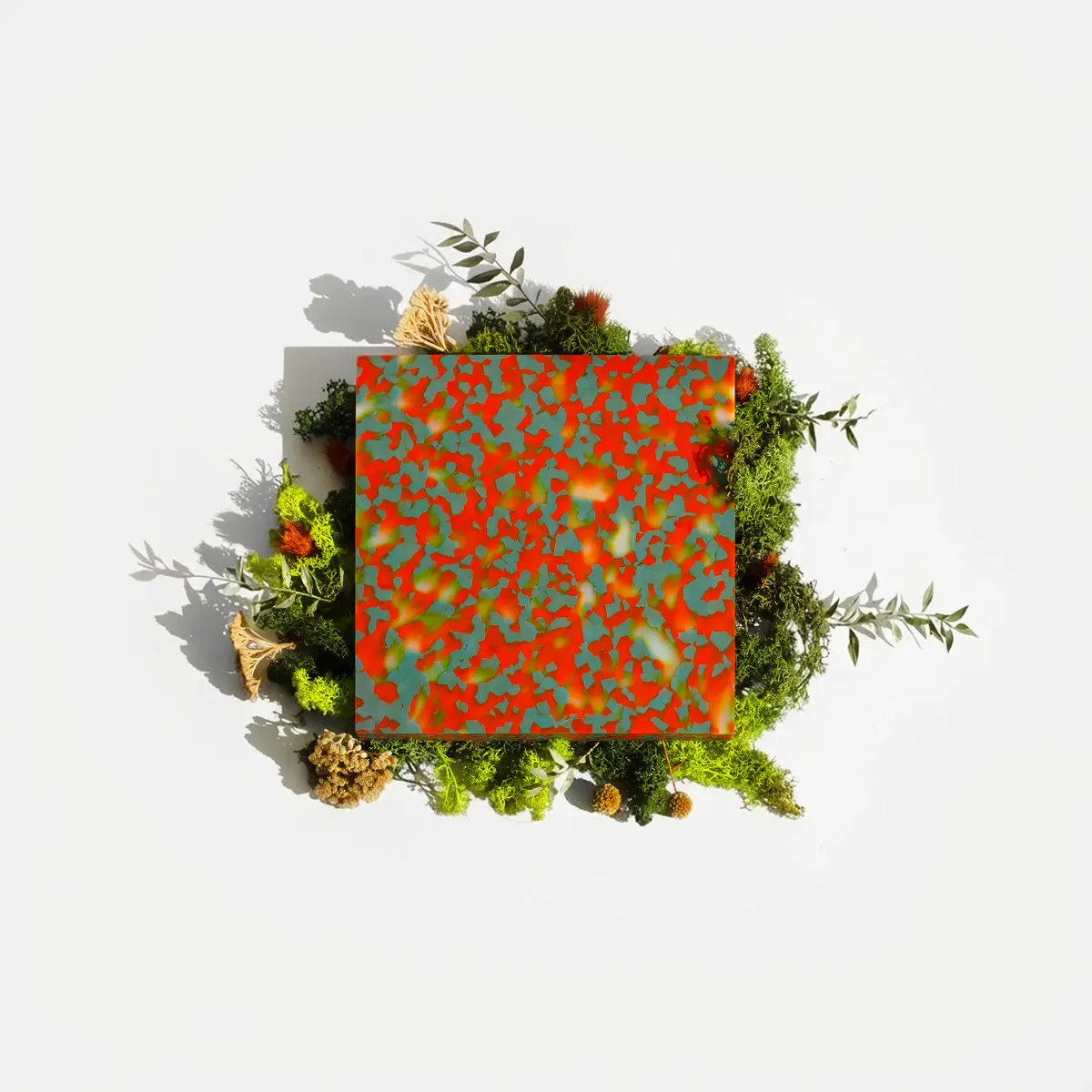
See the material in your hands.
Try Blai Panel colours and textures on your desk with the sample kit, or fill in the quote form for your project.


