


Sustainable Cafe Furniture: Tables and Benches Made from Recycled Plastic
Why does cafe furniture made from recycled HDPE plastic make sense? We look at material properties, the right dimensions, and three critical questions you should ask before buying.
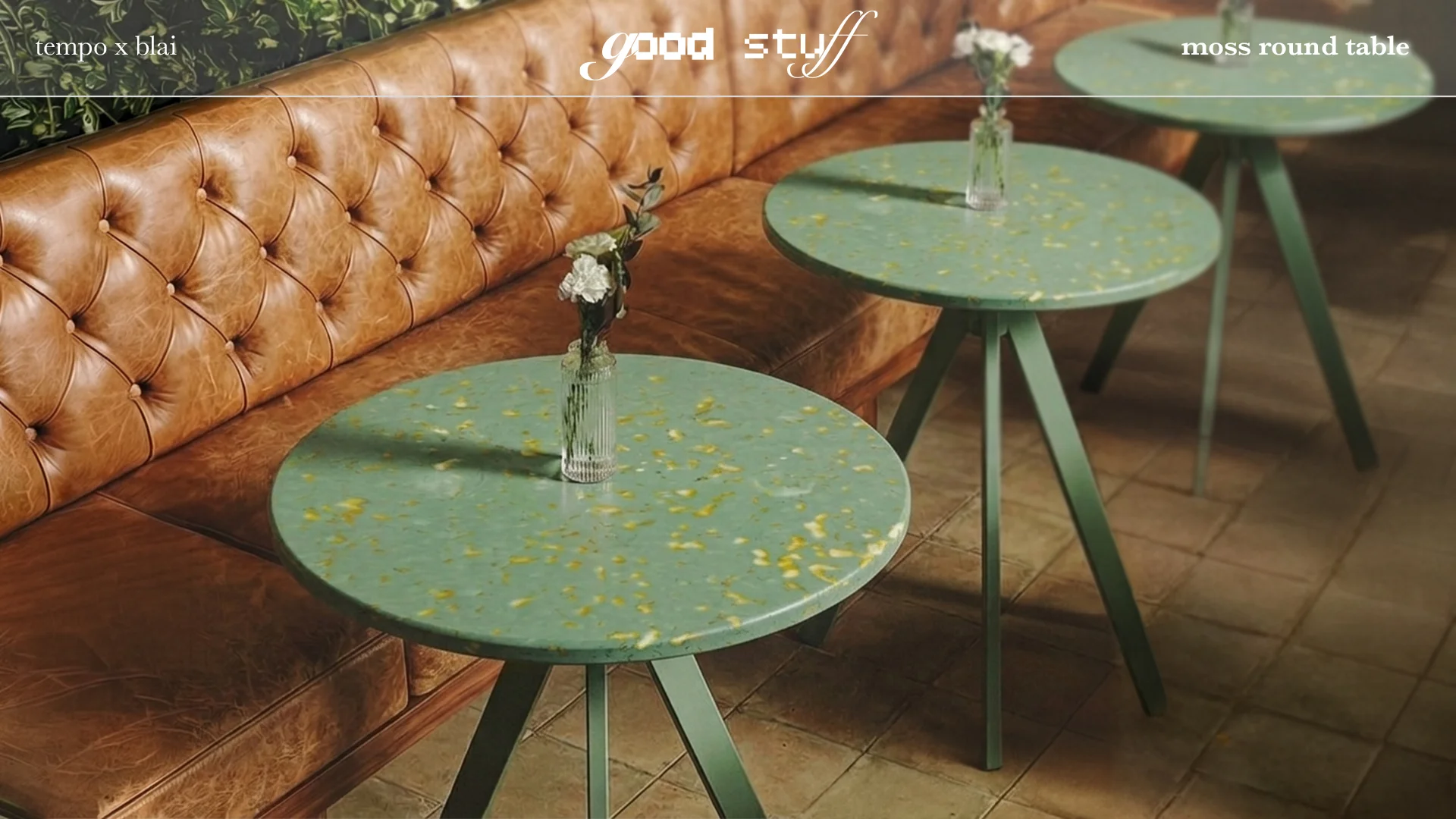
If you are opening a cafe or thinking about renovating your space, choosing furniture is a bigger decision than you might think. It is not just about aesthetics; it is about durability, budget, and one more factor that can no longer be ignored in recent years: the environment.
In this article, we will look at what sustainable cafe furniture means, why tables and benches made from recycled plastic have become a serious option, and what you should look for when buying.
What exactly is sustainable cafe furniture?
The short answer: furniture that is long-lasting, repairable, and ultimately recyclable. It is not just about looking "natural." A table being made of wood does not make it sustainable. What matters is the production process, the source of the material, and what happens to the furniture 10 years from now.
Sustainable cafe furniture clearly answers these three questions:
- Where does the material come from?
- Can it be repaired?
- What happens at the end of its life?
Most products sold as "eco-friendly" fail this test.

Why is recycled plastic the right material for a cafe?
A cafe environment is tough on furniture. Coffee gets spilled, tables are wiped down every day, chairs are dragged, and there is sun and rain outdoors. Wood cracks, MDF swells, and metal rusts.
Recycled HDPE plastic experiences none of these problems:
- Resistant to water and chemicals. Coffee, wine, detergent; it leaves no marks.
- It does not crack, swell, or rust. It stays the same for years.
- Single material. No glue, no coating. Just recycled plastic.
And most importantly: the raw material is waste. This means we don't cut down new trees or open new mines to produce it. We take waste plastic and turn it into panels, and then from panels into tables.
Each Blai Panel 20 kg of recycled plastic, 370 kWh of energy savings and 26.5 kg of CO₂ emission reduction are achieved.

Bistro table, bench, side table: the right dimensions for a cafe
Dimensions are critical in cafe furniture. A table that is too large eats up square footage, while one that is too small makes the customer feel cramped. The cafe series designed by Studio Blai in collaboration with Tempo was conceived exactly for this balance:
- Round table (60 cm diameter) — a bistro table for two, ideal for tight spaces
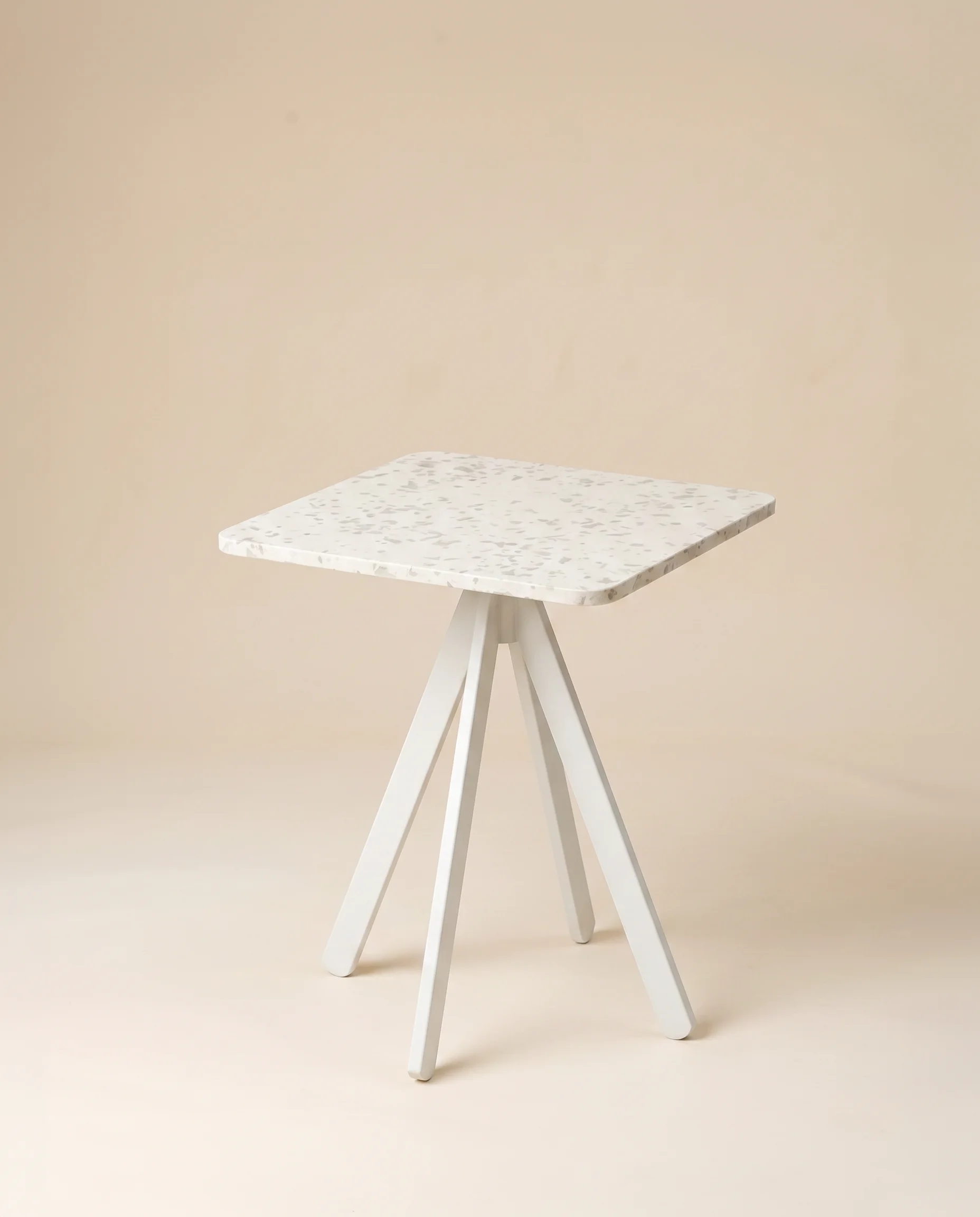
- Square table (60 × 60 cm) — flexible, can be placed side-by-side to create a long table
- Bench (120 × 30 cm) — wall-length seating, saves space
- Side table (30 cm diameter) — next to an armchair, a coffee table for the lobby
Everything arrives flat-packed and is assembled effortlessly. This means there is no shipping hassle or installation labor required to get new furniture for your space.
Colors and textures: anything but monotonous
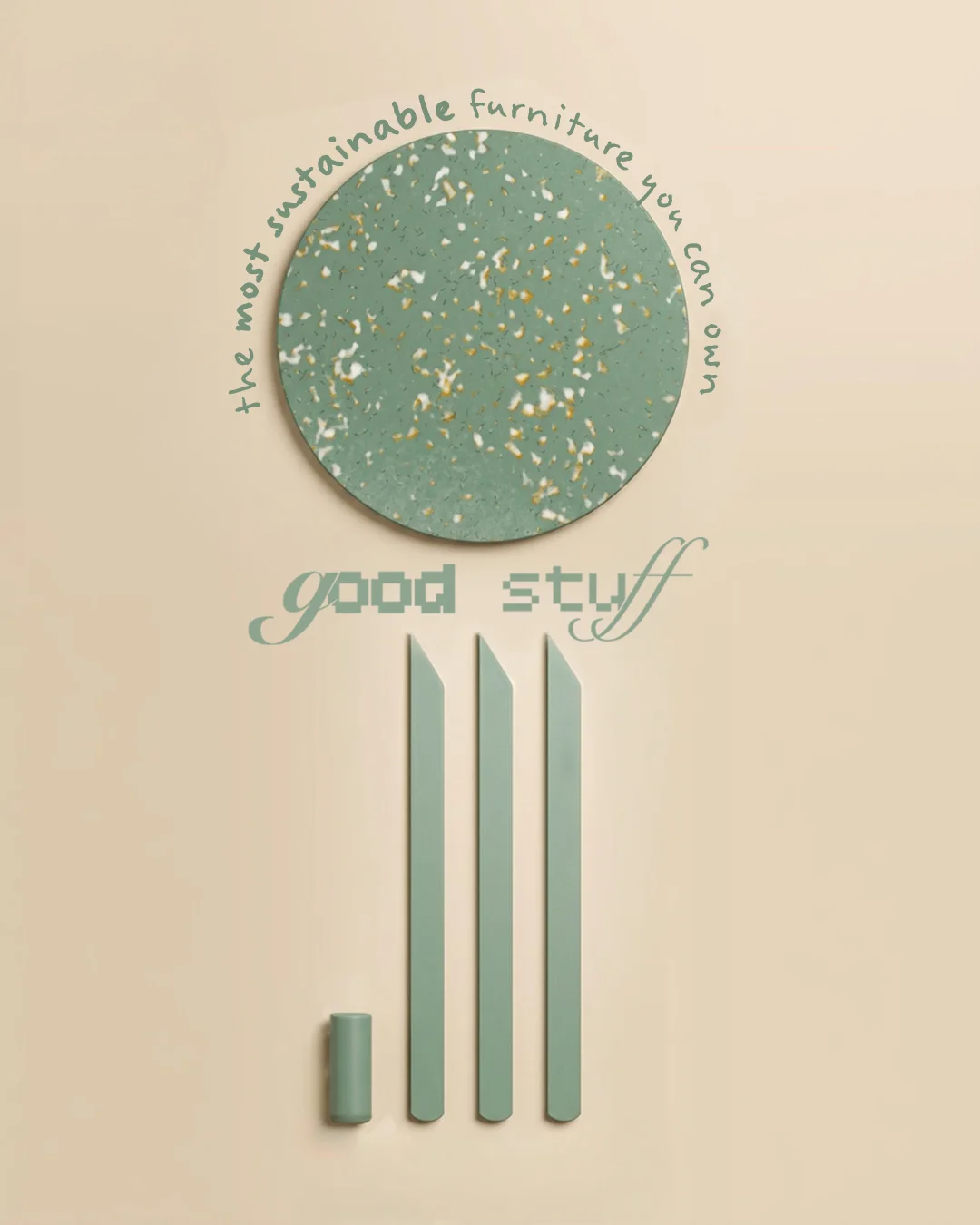
When people think of recycled plastic, they usually imagine a single-colored, plastic-looking surface. Blai Panel is different. Each panel takes on its own texture from the flow of the waste plastic. No two tables are ever exactly the same.
The three most popular colors for cafes:
- Chalk — a warm, cream tone. Perfect for bright spaces.
- Basalt — a dark anthracite. Minimalist and graphic.
- Moss — a soft green. For spaces with natural accents.
Terra (terracotta), Sun (yellow), and Karma (multicolored blend) options are also available.

Three questions to ask when buying cafe furniture
Whether you buy from Studio Blai or another brand, ask these three things when purchasing sustainable furniture:
- Is the material truly recycled, and what is the percentage? Look for "100% recycled" rather than just "eco-friendly."
- Is it repairable? If parts can be replaced, the furniture will last for 10 years. If it’s glued together, it’s trash the moment it breaks.
- What happens at the end of its life? Does the brand have a take-back program? Blai does: we take the product back and reprocess it into a new panel.
To get started
The easiest way to choose the right color and texture for your space is to examine a sample set. Colors in online images never look exactly like the real thing. Holding the panel in your hand makes all the difference.
Or browse our table and bench collection directly:
If you need custom dimensions or colors for your space, get in touch. Let’s transform it together.

Frequently Asked Questions
How long does recycled plastic furniture last in a cafe?
With proper care, HDPE panels can last 15-20 years. They are more durable than wood because they do not rot, crack, or absorb water.
Can it be used outdoors?
Yes. Blai Panels are UV-resistant, waterproof, and chemical-resistant. They work perfectly in garden cafes and on terraces.
What happens to the furniture at the end of its life?
Studio Blai runs a take-back program. We reclaim the product and repurpose it into new panels. Nothing goes to waste.
See the material in your hands.
Try Blai Panel colours and textures on your desk with the sample kit, or fill in the quote form for your project.


