


What to Look for When Buying Sustainable Furniture (Most Brands Fail This Test)
How to choose sustainable furniture? Five questions most brands fail to answer, and what you should look for in truly eco-friendly furniture.
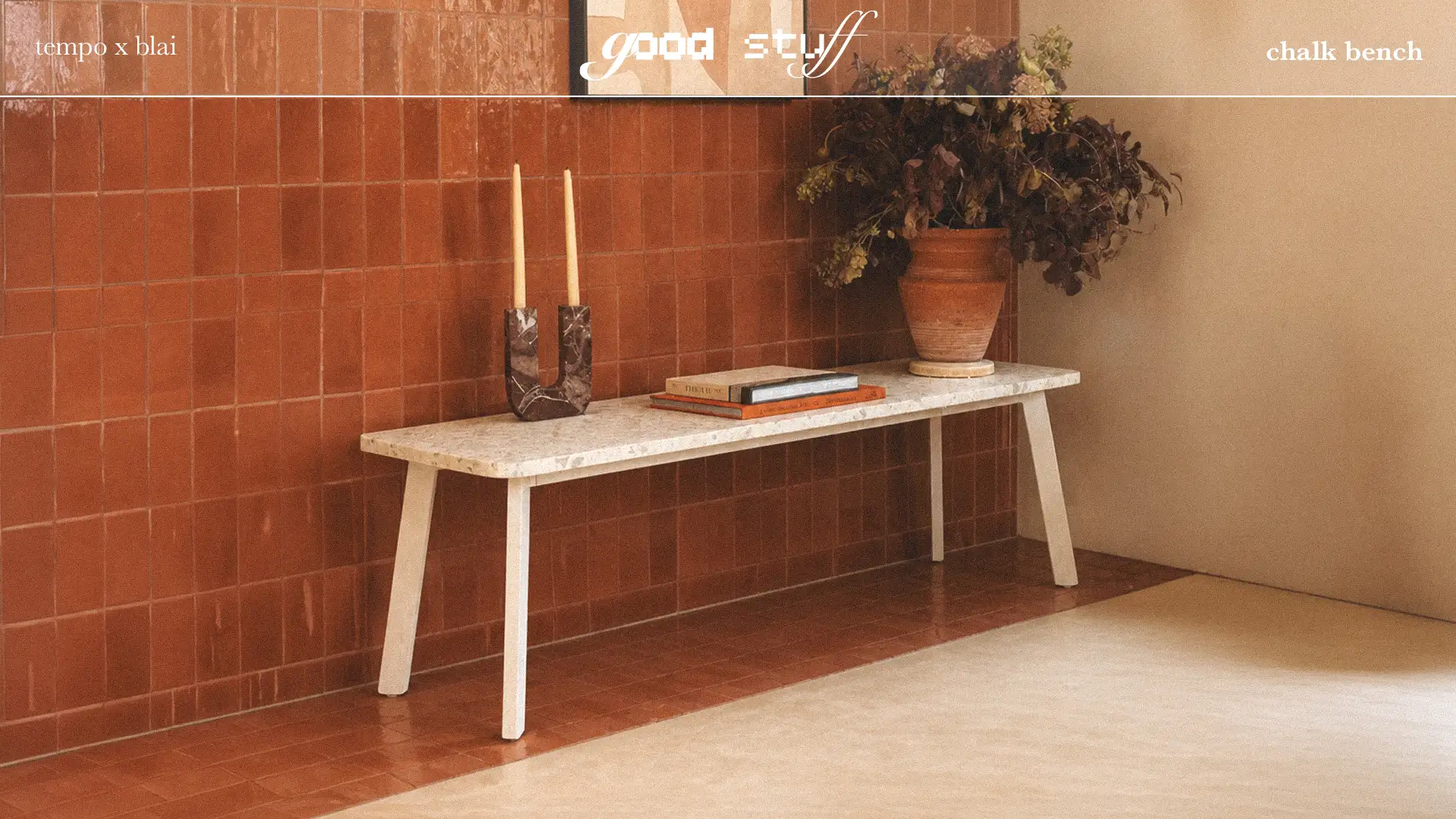
The sustainable furniture market has grown rapidly over the last five years. Along with this, terms like "eco-friendly," "natural," and "green" have been slapped onto every product label. The problem is that none of these words have a legal definition. Just because a brand calls itself "sustainable" doesn't mean it actually is.
In this article, we will share the criteria you should really look for when buying furniture and five questions to test a brand's sustainability claims. You will see that most products on the market fall short when you ask these questions.
"Natural material" does not mean sustainable
This is the most common misconception. Just because a piece of furniture is made of wood doesn't make it sustainable. What matters is where the wood comes from, how it is processed, and what glues and finishes are used in it.
Take a typical MDF table: it looks like wood, but it contains formaldehyde-based glues, has a petroleum-based finish, and is practically impossible to recycle. Calling this "natural" is a marketing gimmick.
Sustainability is measured on three axes: the source of the material, the lifespan of the product, and its fate at the end of its life. All three must be evaluated together.
Five questions most brands fail to answer
The following five questions test a brand's sustainability claims. Approach brands that cannot answer these questions clearly with caution.
1. Where exactly does the material come from?
"Eco-friendly material" is an insufficient answer. A clear answer should be: "X type of recycled plastic, collected from these sources in Turkey," or "FSC-certified wood harvested from this specific forest." If the source isn't transparent, the claim isn't either.
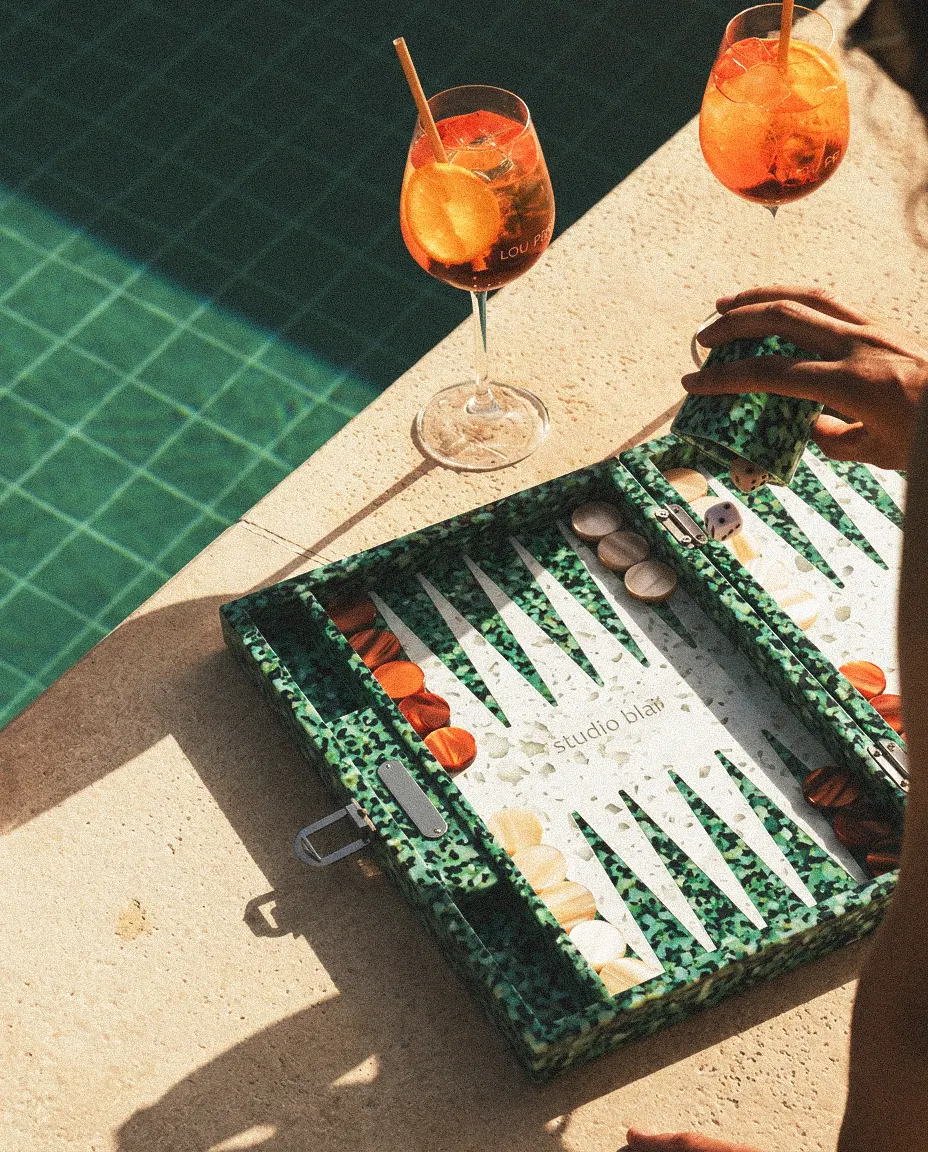
Blai Panel: 100% post-consumer recycled HDPE and LDPE plastic. The raw material is plastic that would have otherwise ended up in a landfill.
2. What else is inside?
A table might be sold as "wood," but it could contain glue, lacquer, varnish, and metal fasteners. Every extra material makes recycling more difficult. It is not practical to disassemble a multi-material product and recycle each component, so the whole thing ends up in the trash.
A single-material structure is critical for sustainability. That is why Blai Panel contains no glue, coatings, or additives. Just plastic.
3. Is it repairable?
What happens when a piece of furniture breaks? Does the manufacturer provide spare parts, can the part be replaced, or is the entire product trash? Furniture that cannot be repaired has a short lifespan, and short-lived furniture cannot be sustainable.
Modular systems pass this test. If the seat of a bench gets scratched and only that part can be replaced, the furniture can last for years.
4. Are glue and welding used?
Glue and welding compromise two things: repairability and recyclability. Glued parts cannot be separated, and welded metals cannot be detached without melting.
Studio Blai furniture is assembled using screw connections. Parts can be disassembled, replaced individually, and separated at the end of their lifecycle.
5. Does the brand take the product back?
This is the most important question and the one the fewest brands can answer positively. True sustainability requires circularity: does the manufacturer take the product back and repurpose it when its lifecycle ends?
Studio Blai operates a take-back program. When Blai products reach the end of their life, they return to the studio to be melted down and repurposed as panels. The loop is closed.

A practical checklist
Check these eight points before purchasing any piece of furniture.
- Is the recycled material content stated, and is a percentage provided?
- Is the material source transparent?
- Does it contain glue, veneers, or chemical additives?
- Are there certifications (such as FSC, EN 71-3)?
- Is the place of production clear?
- Are spare parts available?
- Is there a repair service?
- Is there a take-back program?
Products that pass less than half of this list are not "sustainable."
Are certifications actually meaningful?
Certifications are helpful but not sufficient on their own. Some important ones include:
- EN 71-3 The toy safety standard confirms the absence of heavy metals and toxic substances. Blai Panel holds this certification.
- FSC For wood sourced from sustainable forests.
- Cradle to Cradle A circular design certification that is very comprehensive but held by few products.
Be skeptical if there is no certification. If there is one, read what it actually covers.

To get started
Studio Blai's approach provides clear answers to the five questions we covered in this article: 100% recycled materials, mono-material construction, modular and repairable design, glue-free production, and an active take-back program.
If you would like to see the panel colors and textures for your space, a sample kit is the most practical way to start.
If you would like to browse the furniture collection directly:
Let's transform it together.
Frequently Asked Questions
Are "eco-friendly" and "sustainable" the same thing?
No. "Eco-friendly" is a marketing term with no legal definition. Sustainability, on the other hand, is a measurable concept that evaluates material sourcing, product lifespan, and end-of-life solutions together.
Is recycled plastic furniture more sustainable than wood?
It depends. Recycled plastic furniture that is mono-material, glue-free, and eligible for take-back is generally more sustainable than veneered and glued wood furniture.
Which certifications should I prioritize?
EN 71-3 for safety, FSC for wood, and Cradle to Cradle for circularity are the most reliable certifications. Additionally, a brand's take-back commitment is just as important as any certification.
Why is sustainable furniture more expensive?
Higher quality materials, the certification process, modular production, and buy-back infrastructure all create additional costs. However, when viewed through the lens of product lifespan, it is more economical in the long run.

See the material in your hands.
Try Blai Panel colours and textures on your desk with the sample kit, or fill in the quote form for your project.


